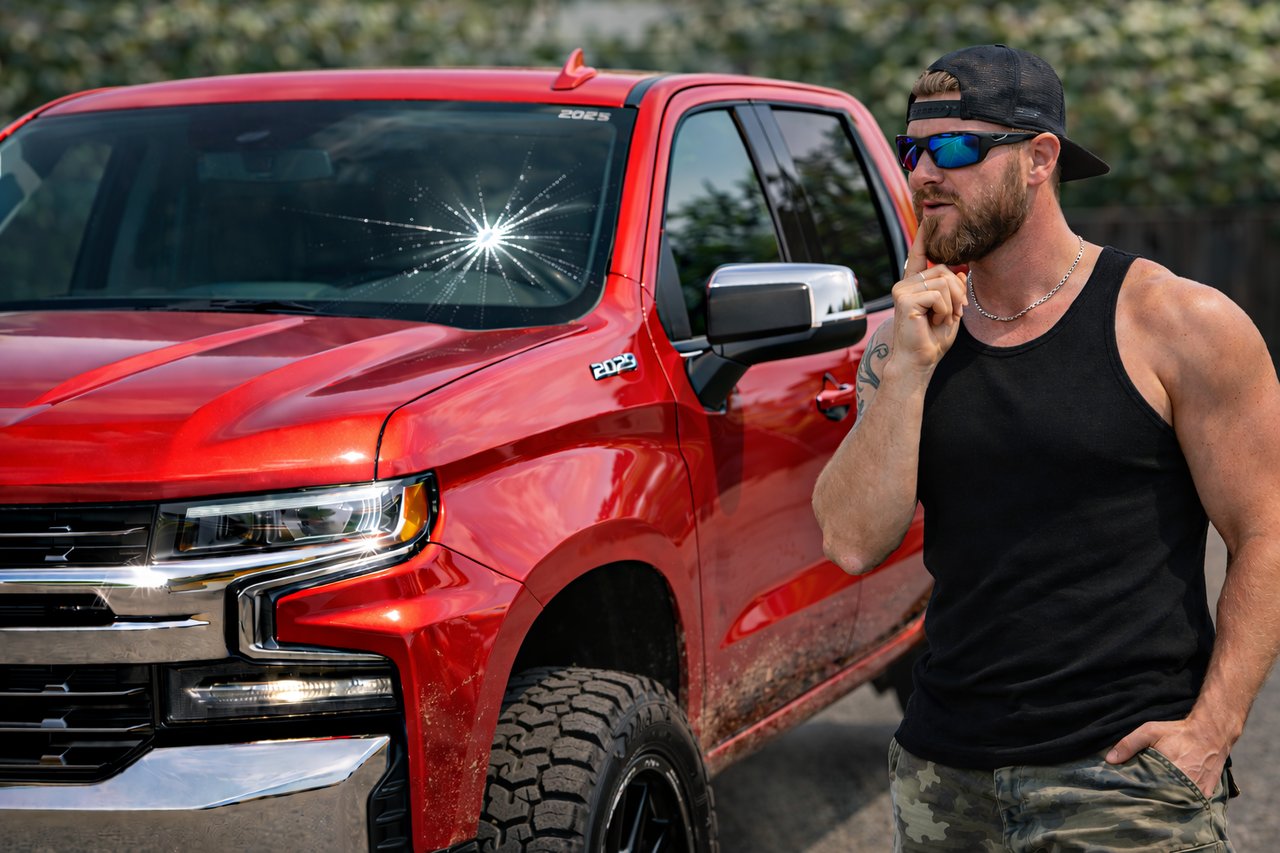
Windshield glass has a predictable way of failing. Impacts from small stones and metal fragments often cause a central pit with thin cracks radiating outward. In the trade we call that a star break. It looks delicate at a glance, like a tiny frost pattern, yet it can travel across the viewing area with one hard pothole or a sudden temperature swing. In High Point, where summer heat roasts parked cars and winter mornings can drop into the twenties, a star break rarely stays small for long if it goes untreated.
This is a guide written from the bench side of the problem. I have drilled, filled, and polished more star breaks than I can count. Some repair cleanly and become almost invisible. Others carry stress, dirt, or moisture that make them stubborn. When a vehicle owner calls for windshield repair High Point, I ask about the damage shape, the size, and the location before anything else. Those three details, plus age of the break, decide whether we repair or recommend windshield replacement High Point.
What qualifies as a star break
A star break usually has a pinpoint impact at the center, with two to six cracks radiating like spokes. The legs can be straight or slightly curved, and the whole pattern generally stays within a quarter-size footprint. If there is a circular ring around the impact, you are looking at a combination break, or a bull’s-eye with legs, which still responds to the same resin-based process but can take longer to fill.
Two things push a star break toward failure. First, leg length, especially anything past two inches, means the crack wants to keep moving. Second, leg direction, if any leg reaches the outer edge of the windshield or the area directly in front of the driver’s line of sight, complicates the job. Both factors influence whether auto glass repair High Point is wise or whether a safer choice is auto glass replacement High Point.
Why timing matters in High Point
Local roads and weather decide outcomes more than people think. US 311 and I‑74 throw a steady diet of pea gravel in summer roadwork. Morning humidity condenses into the break, then a late morning sun blast superheats the glass. That cycle pumps moisture and air in and out of the micro-fractures. If you wait days before addressing a fresh star break, resin has to fight trapped debris and moisture. Repairs still work, but optical clarity drops and the risk of a leg running during repair goes up.
Safe practice: if a star break appears, tape it off to keep out water and dirt. Clear packing tape does fine as a stopgap. Avoid car washes and windshield-fluid blasts on hot glass until a technician can look at it. If you need fast help, same day auto glass High Point services exist for this exact scenario and can often get a mobile unit to your driveway or workplace before lunch.
Repair versus replacement, without the sales pitch
Windshield repair is not a cosmetic trick. The goal is to restore structural strength in the damaged area and prevent further cracking. A proper fill stops the legs from growing, relieves stress, and improves visibility by reducing light scatter. In many star breaks, a careful repair leaves only a faint mark at the impact point.
Replacement steps in when a repair cannot do its job safely. If the star break sits inside the driver’s primary viewing area and the legs are numerous or stained, or if the break reaches an edge, replacement is the professional call. Modern windshields integrate with ADAS sensors and heads-up displays. A failed repair in front of a forward-facing camera can distort images and affect lane-keeping. That is where windshield replacement High Point earns its keep, followed by a calibration.
A rule I use: when in doubt, choose the option that preserves safety and reduces the chance you will see us again for the same damage. It is better to pay once for a proper auto glass replacement High Point than twice for a repair that later runs into a long crack.
What a star-break repair involves, step by step
From a customer’s view, the repair seems simple. A bridge tool, a syringe or injector, a UV lamp, and a bit of polish. The difference between a forgettable repair and a problem one lies in prep and pressure control.
- Assessment and cleaning: I check for leg length, dirt staining, and moisture. If the damage is wet, I use a gentle heat source, never a torch, to coax moisture out. Overheating can anneal the glass around the break and make it resist resin flow. I also remove loose glass dust from the impact point with a carbide probe. Stop drill if needed: If any leg approaches the two-inch mark or has started to run, I may stop-drill at the tip with a tiny bur, then create a micro-tap to give the resin a path. This is delicate work. Done right, it halts further migration and opens a capillary channel. Injector setup: The bridge tool must center on the impact and seal flat. On curved glass, especially at the lower corners of SUVs, a poor seal lets air in and resin out. I check my angles twice. Vacuum and pressure cycles: Resin moves under vacuum and pressure. I alternate these cycles, watching the legs darken as they fill. A stubborn leg might accept resin only when I warm the area slightly to lower viscosity, then switch back to vacuum. Patience pays off. Rushing this stage leaves air pockets that show up later as bright lines. UV cure and finish: Once the legs are filled, I place a curing tab and expose to UV. Curing times vary by resin and lamp strength, usually 3 to 5 minutes per cycle. After cure, I scrape the excess, polish the pit, and check from multiple angles. On a good day, the legs vanish to thin ghost lines.
That is the technician’s rhythm for windshield repair High Point professionals across town. It sounds technical because it is, but the appointment often wraps in under 45 minutes if the break is fresh and well positioned.
What customers notice afterward
You will still see a mark where the stone hit. That is normal. The measure of success is stability, not invisibility. Light scatter should drop, night glare should improve, and the legs should look filled rather than bright. If you sight across the glass and see a shimmer line, that is the cured resin refracting light a little differently than the glass, which is expected.
I always tell drivers to avoid power washing or slamming doors with windows shut right after a repair. The bond cures fast under UV, but the surrounding glass benefits from a gentle day. Parking out of direct sun for a few hours helps, especially on black dashboards that heat the lower windshield.
When mobile service helps and when it complicates things
Mobile auto glass High Point crews can fix a star break in a parking lot or driveway. That matters to commuters and parents who cannot sit in a shop lobby. The catch is environmental control. Direct sun can flash-cure the resin before it flows into the finest threads of a leg, and wind can lift the bridge seal. A competent mobile tech will park the car nose-in to shade, use a canopy if needed, and keep the glass cool to the touch.
If your only time window is midday in July and the car lives outside, I would rather schedule early morning or early evening. The repair will be cleaner, faster, and more likely to disappear into the glass. For messy weather, emergency auto glass High Point teams can triage with a temporary patch, then return for the full repair when conditions cooperate.
Star breaks in awkward places
Not every crack sits in a handy, flat section of glass. The curves near the A‑pillars can create a wedge that fights injector sealing. Heated windshields, the ones with fine wires, demand extra care so the heat element beneath the laminate is not disturbed. Tinted bands at the top of the glass can hide leg tips until the injector begins work, then a new leg appears under vacuum.
Freight Windshield replacement High Point vans and RVs add height and access problems. A heavy ladder on uneven asphalt does not help accuracy. In those cases, a shop bay is safer and more efficient, and the cost difference is usually negligible. If what you need is same day auto glass High Point for a large vehicle with a high windshield, ask whether the tech can perform the repair safely at height. If not, a shop appointment is the smarter play.
The economics, briefly and plainly
Insurance often covers repair with little to no deductible because it prevents larger claims. A star break repair costs significantly less than a new windshield, often a quarter or less of replacement price. That said, pricing varies with vehicle model, sensor package, and glass options. A base sedan without ADAS sits on one end. A late-model SUV with rain sensors, acoustic laminate, and a camera bracket sits on the other.
Two caveats. First, if you plan to sell the car soon and the break is centered in the driver’s view, a visible blemish can prompt a buyer to ask for a discount even if the repair is structurally sound. Second, if the glass already has multiple repairs, another is technically possible but not always wise. At a certain point, a new windshield restores optical quality and puts a stop to death by a thousand stars.
What good shops do differently
High Point has plenty of shops offering auto glass repair High Point, and skill levels vary. The best indicator is not price, it is process. Pros ask what the damage looks like before they promise a result. They protect the dashboard with a cover, wipe the glass perimeter so the bridge feet do not slip, and take a minute to explain what you will see afterward. If a shop always says yes to repair, even for long legs at the edge, be cautious. If a shop always says replace, likewise.
Car window repair High Point is its own discipline. Side windows are tempered, not laminated, so chips do not repair. A side window with damage needs car window replacement High Point. That distinction sounds basic, but I have fielded calls from people who were told someone could “fill” a side glass chip. You cannot, not in any reliable way. Tempered glass shatters rather than cracks. Windshields are different because of the PVB interlayer.
Temperature swings and the crack that got away
One July afternoon we repaired two star breaks on a delivery van. Both were fresh, both took resin beautifully. Thirty minutes after the driver left, a storm front rolled in and the temperature dropped more than twenty degrees. The van hit an expansion joint at 45 mph. One repaired star held, the other threw a new leg from a previously invisible microfracture and ran two inches overnight. We stop-drilled and salvaged it the next day, but it is an honest reminder that glass holds memory, and outside forces still act on it. A repair is not a magical shield. It is a smart reinforcement that stacks the odds in your favor.
DIY kits versus professional injectors
You can buy a kit for the price of lunch. For a simple bull’s-eye, a careful do‑it‑yourselfer with good light and patience can get an acceptable outcome. Star breaks are less forgiving. Resin viscosity in many kits is a one-size compromise. Professional systems carry multiple resins, from thin wicking formulas for long, tight legs to thicker resins for shallow pits. The injector design matters as well. A threaded injector gives fine control over pressure. Suction-cup style plungers can burp air back into the break if they flex.
If you do try a kit on a star break, keep it shaded, go slow on pressure, and do not overheat the area. If the legs do not darken and fill within two or three cycles, stop and call a pro. Overworking a dry break with high pressure can extend a leg or bruise the interlayer. At that point, your options narrow to windshield replacement High Point.
Understanding optical limits
Customers sometimes expect a flawless, invisible result. That can happen with clean, shallow breaks, but not always. Stained legs, impacts older than a week, and micro-pitting around the strike reduce the cosmetic payoff. Resin refractive index is close to glass, not identical. Under sharp sunlight, you may see a faint star shadow. At night, oncoming headlights could reveal a soft sparkle where the impact was. None of that means the repair failed. If the legs are sealed and no new growth appears after a few days, the repair did its job.
Care tips after a star-break repair
Most windshields need little special care afterward. A few habits help avoid repeat damage or stress.
- Leave a narrow window crack if you park in direct sun for hours, especially in summer. It relieves cabin pressure and reduces door-slam shock on hot days. Replace old wiper blades. Gritty, hardened rubber acts like sandpaper, creating micro-scratches that scatter light and hide new damage until it is larger.
How location guides the decision
Three zones matter most. The driver’s primary viewing area, the perimeter near the edges, and the area behind sensor mounts. A star break in the middle of the passenger side usually repairs well and bothers nobody. A star break centered in front of the driver at eye height, especially with multiple legs, can meet repair standards yet still distract. The edge region stores high residual stress from factory bending. Star breaks there are like sprained ankles on a steep slope. They heal, but they are ready to fail if pushed. Sensor zones are sensitive to distortion. Even a solid repair can create slight prism effects, which some cameras tolerate and others do not. When we evaluate a job, we look at all three zones before recommending auto glass repair High Point or a change to auto glass replacement High Point.
The role of calibration after replacement
If repair is off the table and replacement is required, plan for camera and radar calibration if your vehicle supports ADAS features. High Point shops with proper targets and space can run static and dynamic calibrations, often finishing the same day. Skipping calibration is not a money saver. Lane departure warnings and automatic braking depend on glass thickness and bracket alignment within tight tolerances. Good shops schedule the calibration as part of the windshield replacement High Point process and test drive to confirm.
What to ask when you call a shop
Before you hand over the keys, a short conversation tells you whether you are in capable hands. Ask how they decide between repair and replacement for star breaks, and whether they guarantee against crack spread. Ask whether mobile service is available to your area, and how they handle hot or wet conditions. If you need emergency auto glass High Point support after hours, ask about triage options and next‑day scheduling. If you are dealing with a side window, ask specifically about car window repair High Point versus car window replacement High Point so expectations stay realistic.
Materials and quality you never see, but feel
Resin shelf life and storage matter. Old resin yellows over time and cures brittle. A shop that tracks batch numbers and rotates stock prevents those issues. UV lamps lose strength with hours of use. A weak lamp undercures resin, leaving a gummy core that fails months later. Bridge seals wear out and cause tiny vacuum leaks. None of these details is visible to a customer, yet they show up as repeat visits and nagging failures. When you find a shop that sweats these small things, keep their card.
High Point specifics that change the playbook
Piedmont pollen season dusts everything in yellow. If a star break sits open for a day in April, pollen will work into the crack legs and stain them. You will still get a strong repair, but optical results suffer. Summertime asphalt repairs toss aggregate everywhere. Driving close behind dump trucks or the left edge of fresh chip seal puts you in the line of fire. In winter, defrosters heat the windshield unevenly, especially near the lower vents. If you have a fresh star break down low, go gentle on the heat at first, or crack a window so the pressure wave from closing the door does not stress the area. Minor choices like those make a difference.
When repair is part of a larger strategy
Fleet managers know this instinctively. A delivery van with two or three small star breaks can run safely with timely repairs, then get a fresh windshield during scheduled downtime. That approach keeps vehicles on the road and spreads costs predictably. For personal cars, it is similar. Fix the star break quickly, monitor for a week, then make a judgment call. If your windshield already shows sandblasting from years of highway miles, a repair will hold, yet a planned replacement restores clarity you may have forgotten was possible.
A brief word on expectations and guarantees
Most reputable high point auto glass providers guarantee repairs against further cracking for as long as you own the vehicle, often crediting the cost of repair toward replacement if a failure occurs. That does not mean the blemish vanishes completely, only that the structure holds. If a repair fails, it usually does so early, either during curing or within a week as the glass cycles through temperature swings. Watch the area, take a quick photo at the time of repair, and compare after a few days. If you see growth, call right away. Catching a new leg at one inch allows stop-drill and salvage that three inches will not.
Final guidance from the field
Star breaks reward prompt, careful attention. Tape it, call a shop, and ask direct questions about process and outcomes. Choose repair when the damage is fresh, small, and away from sensors and edges. Choose replacement when the damage sits in the critical view area, shows staining or long legs, or lives at the perimeter. Use mobile service for convenience, but be realistic about weather and sun. Lean on same day auto glass High Point options if you have a narrow window. Save emergency services for after-hours or unsafe situations, like a compromised driver’s view in rain.
Done well, a star-break repair disappears into your week. The car drives the same, the glass holds, and you stop thinking about it. That is the goal. Not drama, not sales theatrics. Just a strong, clean fix that lets you get on with your life.